Choosing between titanium and stainless steel is not just a material decision—it’s a strategic investment choice that affects durability, lifecycle costs, maintenance, and performance.
From European manufacturing and construction projects to precision engineering and product design, selecting the wrong metal can lead to higher costs, premature failure, or unnecessary overengineering.
In this in-depth guide, we explore every critical difference between titanium and stainless steel, including mechanical properties, corrosion resistance, cost factors, and real-world applications.
What Is Titanium?
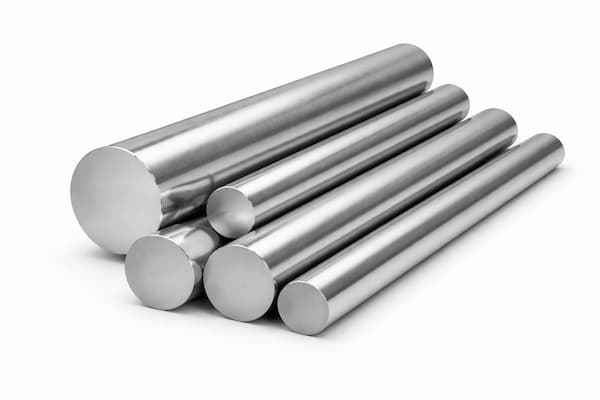
Titanium is a metal known for its exceptional strength-to-weight ratio, corrosion resistance, and biocompatibility. It forms a natural oxide layer that protects it from environmental damage—even in extreme conditions like saltwater or chemical exposure.
Key characteristics:
- Lightweight yet strong
- Highly resistant to corrosion
- Non-toxic and biocompatible
- Performs well under extreme temperatures
Common grades:
- Grade 2 (commercially pure, corrosion-resistant)
- Grade 5 (Ti-6Al-4V, aerospace-grade alloy)
What Is Stainless Steel?
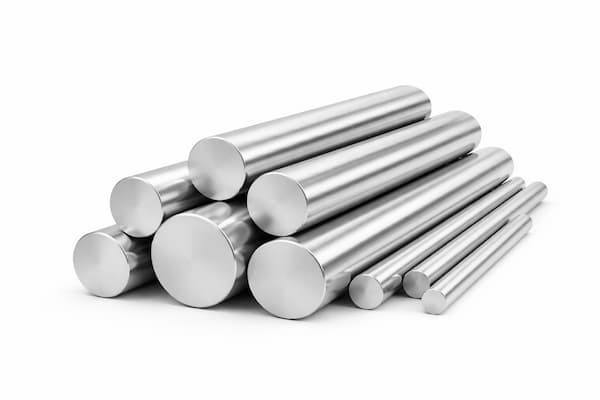
Stainless steel is an iron-based alloy enhanced with chromium (minimum 10.5%), which creates a passive oxide layer that resists rust and corrosion.
It is one of the most widely used materials globally due to its versatility, strength, and affordability.
Common grades:
- 304 stainless steel (general-purpose, corrosion-resistant)
- 316 stainless steel (marine-grade, improved corrosion resistance)
- 430 stainless steel (lower cost, less corrosion resistance)
Titanium vs Stainless Steel: Deep Technical Comparison
1. Density & Weight
Weight is often a deciding factor in engineering applications.
- Titanium: ~4.5 g/cm³
- Stainless steel: ~7.7–8.0 g/cm³
➡️ Titanium is nearly 45% lighter, making it ideal for:
- Aerospace structures
- Automotive performance parts
- Wearable products
In Europe’s automotive and aerospace sectors, reducing weight directly improves fuel efficiency and emissions compliance.
2. Strength & Mechanical Properties
While both metals are strong, their behavior differs significantly.
Titanium:
- Excellent strength-to-weight ratio
- Tensile strength: up to ~1,000 MPa (Grade 5)
- More flexible (lower modulus of elasticity)
Stainless Steel:
- Higher absolute strength in some grades
- Tensile strength: ~500–1,200 MPa depending on grade
- Stiffer and more rigid
Key takeaway:
- Titanium = performance efficiency
- Stainless steel = structural rigidity
3. Corrosion Resistance (Critical for EU & Coastal Environments)
Corrosion resistance is where titanium truly dominates.
Titanium advantages:
- Resistant to seawater, chlorides, and acids
- Self-healing oxide layer
- Performs in marine and chemical environments
Stainless steel limitations:
- Can suffer from pitting corrosion in chloride environments
- Requires higher grades (like 316) for marine use
In regions like Baltic coastal areas or industrial zones in Europe, titanium significantly reduces maintenance costs.
4. Thermal Properties
Thermal conductivity:
- Titanium: ~15 W/m·K
- Stainless steel: ~20–60 W/m·K
Implications:
- Stainless steel is better for heat transfer (cookware, heat exchangers)
- Titanium is better for thermal stability and resistance
5. Durability, Wear & Fatigue Resistance
- Stainless steel is harder and more scratch-resistant
- Titanium is more fatigue-resistant and impact-tolerant
Titanium is preferred in:
- Aerospace fatigue-critical parts
- Medical implants
Stainless steel is better for:
- High-wear surfaces
- Industrial equipment
6. Cost Analysis (Short-Term vs Long-Term)
Initial cost:
- Titanium: significantly higher
- Stainless steel: affordable and accessible
However, lifecycle cost matters:
Titanium can be more cost-effective long-term due to:
- Lower maintenance
- Longer lifespan
- Reduced replacement frequency
Example:
In marine or chemical environments, titanium may outlast stainless steel by decades.
7. Machining & Fabrication
Stainless steel:
- Easier to machine and weld
- Lower production cost
- Suitable for mass manufacturing
Titanium:
- Difficult to machine (requires specialized tools)
- Higher fabrication cost
- Sensitive to contamination during welding
For EU manufacturers, this directly affects:
- Production time
- Tool wear
- Overall cost efficiency
8. Environmental Impact & Sustainability
With increasing EU regulations and ESG focus:
Titanium:
- Longer lifespan → less waste
- More energy-intensive to produce
Stainless steel:
- Highly recyclable
- Lower production complexity
Sustainability depends on whether you prioritize:
- Longevity (titanium)
- Recycling efficiency (stainless steel)
Real-World Applications
Where Titanium Is the Best Choice
- Aerospace (airframes, jet engines)
- Medical implants (hip replacements, dental)
- Marine engineering
- High-performance automotive parts
- Luxury watches and jewelry
Where Stainless Steel Excels
- Construction and infrastructure
- Food processing equipment
- Kitchenware and appliances
- Automotive components
- Industrial machinery
Pros and Cons (Expanded)
Titanium Advantages
- Exceptional corrosion resistance
- Lightweight with high strength
- Long lifespan
- Biocompatible
Titanium Disadvantages
- High upfront cost
- Complex machining
- Limited availability
Stainless Steel Advantages
- Cost-effective
- Strong and durable
- Easy to fabricate
- Widely available
Stainless Steel Disadvantages
- Heavier
- Susceptible to corrosion in harsh environments
- Lower performance in extreme conditions
Final Verdict: Which One Should You Choose?
Your choice depends on application, budget, and long-term goals:
Choose Titanium if:
- Weight reduction is critical
- You operate in corrosive environments
- Long-term durability matters more than upfront cost
Choose Stainless Steel if:
- Budget is limited
- You need easy fabrication
- The environment is not highly corrosive