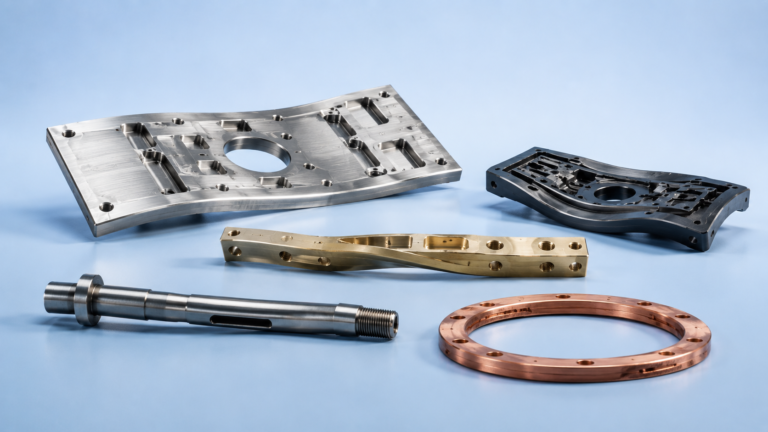
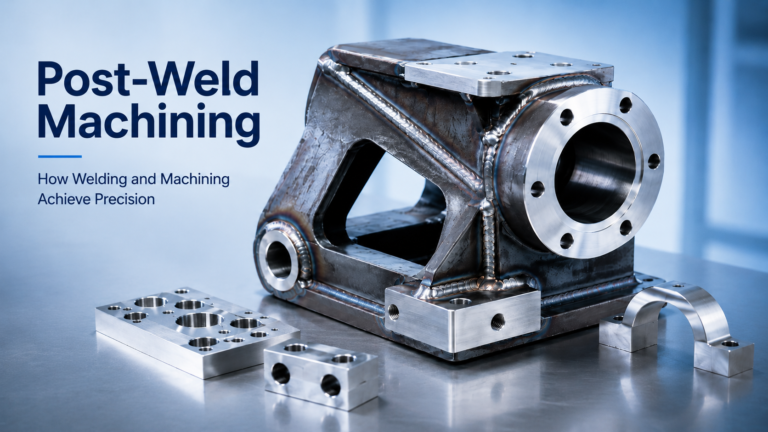
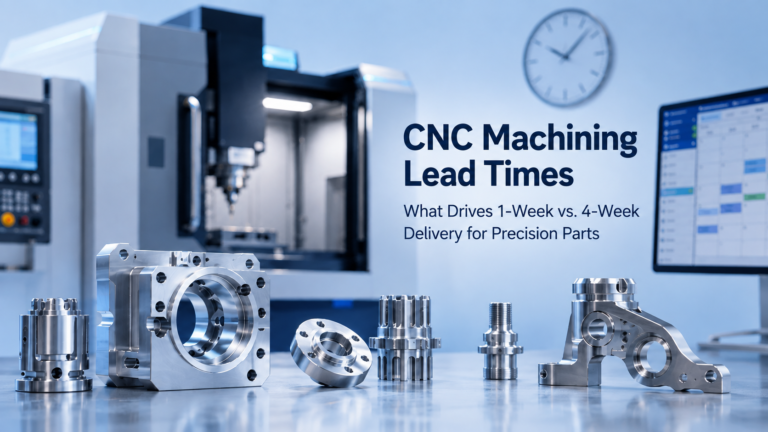
Black oxide coating is a popular surface finish for CNC machined steel parts when a dark, clean, low-reflection appearance is needed without adding significant thickness. It is widely used for precision components, machine parts, tooling, fasteners, fixtures, shafts, gears, and industrial hardware.
Unlike paint or powder coating, black oxide is not a thick layer that sits heavily on top of the part. It is a chemical conversion finish that reacts with the steel surface to create a thin black iron oxide layer. This makes it especially useful for machined components with tight tolerances, threaded features, sliding fits, or precision surfaces where dimensional change must be kept very small.
Black oxide is often chosen because it improves the appearance of steel, reduces glare, provides light corrosion resistance when sealed, and helps parts look more professional. It is not the strongest corrosion-resistant finish available, but for indoor mechanical parts and controlled environments, it offers an excellent balance of aesthetics, cost, and dimensional stability.
What Is Black Oxide Coating?
Black oxide coating, also called blackening or black oxide finish, is a surface treatment used mainly on ferrous metals such as carbon steel, alloy steel, tool steel, and some stainless steels. The process converts the outer surface of the metal into a black oxide layer.
For steel parts, the finish is typically made of magnetite, a black iron oxide. The result is a dark matte or satin surface that looks uniform and professional. The coating itself is very thin, which makes it different from plating, painting, anodizing, or powder coating.
Because black oxide does not significantly build up the surface, it is useful for parts that must keep accurate dimensions after finishing. This is one reason it is common in CNC machining, where tolerances, fit, and function matter.
Why Use Black Oxide on CNC Machined Steel Parts?
CNC machined steel parts often need more than accurate geometry. They may also need surface protection, better appearance, reduced reflectivity, easier handling, or improved compatibility with assemblies. Black oxide helps meet these requirements while keeping the part close to its original machined dimensions.
For example, a precision shaft may need a dark finish but cannot tolerate a thick coating. A steel fixture may need a cleaner appearance and mild corrosion protection without changing hole sizes or thread fit. A tool component may need lower glare under shop lighting. In these cases, black oxide can be a practical finishing choice.
How the Black Oxide Process Works
The black oxide process usually includes cleaning, surface preparation, chemical blackening, rinsing, and sealing. Each step affects the quality, consistency, and durability of the final finish.
1. Cleaning and Degreasing
The part must be cleaned before blackening. Oils, cutting fluids, grease, fingerprints, polishing compounds, and machining residue can interfere with the chemical reaction. Poor cleaning can cause patchy color, uneven finish, stains, or poor corrosion performance.
CNC machined parts often arrive with coolant residue or protective oil, so proper degreasing is essential before coating.
2. Surface Preparation
After cleaning, the steel surface may be treated to remove rust, scale, oxidation, or other contamination. The required preparation depends on the part material, machining condition, and desired finish quality.
Surface texture also matters. Black oxide follows the existing surface. A polished part will usually look smoother and more reflective after blackening, while a bead-blasted part will appear more matte. Machining marks, scratches, pits, and burrs will still be visible unless they are removed before finishing.
3. Black Oxide Conversion
During black oxide treatment, the part is placed into a controlled chemical bath that reacts with the surface of the steel. The process converts the outer layer into a black iron oxide finish.
There are different black oxide methods, including hot black oxide, mid-temperature black oxide, and cold blackening. Hot black oxide is common for industrial steel parts because it usually produces a more durable and consistent finish. Cold blackening is often used for touch-up or low-volume applications, but it generally does not provide the same performance as a properly controlled hot process.
4. Rinsing
After the conversion step, parts are rinsed to remove chemical residue. Proper rinsing helps avoid staining, residue buildup, or chemical marks on the finished surface.
5. Sealing or Post-Treatment
Black oxide alone provides limited corrosion protection. The final seal is what gives the finish much of its practical protective value. Common post-treatments include oil, wax, or other sealants.
Oil sealing is widely used because it improves corrosion resistance and gives the part a deeper black appearance. Wax can provide a drier feel and cleaner handling. The best seal depends on the part’s use, packaging needs, storage conditions, and customer requirements.
Main Benefits of Black Oxide Coating
1. Minimal Dimensional Change
One of the biggest advantages of black oxide coating is that it adds very little thickness to the part. Since it is a conversion finish rather than a heavy deposited coating, it preserves machined dimensions better than many other finishing options.
This is especially important for:
- Precision CNC machined parts
- Threaded components
- Shafts and pins
- Bushings and sleeves
- Tooling components
- Fixtures and jigs
- Parts with tight assembly fits
- Components with close tolerance holes
For parts where plating or powder coating may create fit issues, black oxide can be a better option.
2. Improved Appearance
Black oxide gives steel parts a clean, uniform black finish. Depending on the base surface and post-treatment, the final appearance may be matte, satin, or slightly glossy.
This makes it useful for parts that are visible in finished products, machinery, fixtures, tools, and assemblies. A black oxide finish can make a machined steel component look more refined and consistent without requiring a thick decorative coating.
The finish is especially popular when the product needs a technical, industrial, or premium appearance.
3. Reduced Glare and Light Reflection
The dark surface produced by black oxide helps reduce glare. This is useful for tools, optical equipment, camera accessories, firearm components, fixtures, measuring devices, and machine parts used under bright lighting.
Reduced reflection can improve visibility, reduce eye strain, and prevent unwanted light interference in certain applications.
4. Mild Corrosion Protection
Black oxide can improve corrosion resistance when it is properly sealed. The oxide layer and post-treatment work together to reduce direct exposure between the steel and the environment.
However, it is important to understand that black oxide is not a heavy-duty corrosion coating. It is best for indoor use, lightly exposed parts, oiled components, tools, and parts stored or operated in controlled environments.
For outdoor use, salt spray exposure, chemical exposure, marine environments, or harsh industrial conditions, zinc plating, nickel plating, phosphate coating, powder coating, or stainless steel may be better choices.
5. Light Wear and Abrasion Support
Black oxide can provide some surface improvement for parts exposed to light handling or sliding contact, especially when sealed with oil. It can also help reduce galling or friction in selected applications when paired with suitable lubricants.
That said, black oxide should not be treated as a high-wear coating. It is not a replacement for hard chrome, nitriding, carburizing, DLC, or other engineered wear-resistant finishes. For severe abrasion, high load, or continuous sliding contact, a harder surface treatment may be required.
6. Better Lubricant Retention
The black oxide surface can help hold oil or wax after treatment. This can be useful for tools, moving parts, fasteners, and components that benefit from light lubrication.
Oil-sealed black oxide parts often feel smoother and have a richer dark appearance. The retained oil also contributes to corrosion protection during storage and use.
7. Cost-Effective Finishing
Black oxide is often more economical than many decorative or high-performance coatings. It provides a professional appearance and useful surface protection without the cost or thickness of more complex finishing systems.
For high-volume steel parts, fasteners, tools, and machined components, it can be a practical way to improve appearance and handling while keeping finishing costs controlled.
8. Suitable for Complex Geometries
Because black oxide is a chemical conversion process, it can reach many surfaces of complex machined parts, including grooves, recesses, threads, internal features, and small details.
This makes it useful for CNC machined components that have detailed geometry. Proper cleaning and bath control are still important, but the process can finish intricate parts more evenly than some coating methods that struggle with coverage on hidden or recessed areas.
9. No Peeling or Flaking Like Thick Coatings
Since black oxide chemically converts the surface rather than forming a thick separate layer, it does not peel in the same way that paint, powder coating, or some poorly bonded coatings might. This is valuable for parts that are handled, assembled, or used in mechanical systems.
However, the finish can still wear, scratch, or fade if the part is exposed to abrasion, harsh chemicals, or rough handling.
Materials Suitable for Black Oxide Coating
Black oxide is most commonly used on ferrous metals. The final color, adhesion, and corrosion performance depend on the material grade and surface condition.
Carbon Steel
Carbon steel is one of the most common materials for black oxide finishing. It usually produces a deep black appearance and is widely used in machined parts, fasteners, tools, and industrial components.
Alloy Steel
Alloy steels can also be black oxide coated, although the final color and uniformity may vary depending on alloy content and heat treatment condition.
Tool Steel
Tool steels are often black oxide coated for appearance, light protection, and reduced reflection. Applications include dies, punches, cutting tools, gauges, holders, and precision tooling.
Stainless Steel
Some stainless steels can be black oxide finished, but they usually require a different process than carbon steel. Stainless black oxide is more specialized and should be confirmed with the finishing supplier before production.
Cast Iron
Cast iron may be blackened, but surface porosity and composition can affect the final appearance. Proper cleaning and sealing are especially important.
Applications of Black Oxide Coated CNC Steel Parts
Black oxide is used across many industries where machined steel parts need a dark finish, low glare, or light protection.
Machinery and Equipment
Black oxide is used for shafts, gears, couplings, brackets, housings, spacers, bushings, pins, and machine components. It provides a clean finish while helping protect steel surfaces during normal indoor operation.
Industrial Tools
Tooling components such as drills, taps, dies, holders, clamps, punches, and fixtures often use black oxide. The finish reduces glare, improves appearance, and helps with light oil retention.
Automotive Components
Automotive and performance parts may use black oxide for brackets, fasteners, fittings, spacers, linkages, and machined steel parts. It provides a technical black finish without adding heavy thickness.
Measuring and Optical Equipment
Reduced reflectivity is valuable in measuring tools, camera equipment, optical mounts, laboratory fixtures, and inspection devices. A dark matte surface helps reduce unwanted glare.
Electronics and Instrument Housings
Black oxide may be used on steel housings, brackets, internal frames, and mounting hardware where a clean dark finish is required.
Sports and Fitness Equipment
Bicycle parts, gym equipment, sporting hardware, and small steel components may be black oxide coated for appearance and light surface protection.
Defense and Tactical Equipment
Black oxide is often selected where a dark, non-reflective steel finish is preferred. Performance requirements should be reviewed carefully because more durable coatings may be needed for harsh field use.
Design Considerations Before Choosing Black Oxide
Black oxide works best when the design and finishing requirements are considered early. The following factors can affect final quality.
Surface Finish Before Coating
Black oxide does not hide defects. Scratches, tool marks, dents, burrs, pits, and uneven polishing will remain visible after coating. For cosmetic parts, the machined or prepared surface should be controlled before blackening.
Tolerance Requirements
Black oxide is a good choice for tight tolerance parts because dimensional change is minimal. Still, very precise components should define acceptable finish thickness, post-treatment, and inspection requirements.
Corrosion Environment
Black oxide is best for mild environments. If the part will face outdoor exposure, salt, humidity, chemicals, or frequent washing, a stronger coating should be considered.
Handling and Packaging
Freshly finished black oxide parts should be handled carefully to prevent scratches, fingerprints, staining, or oil transfer. Packaging should protect the finish during shipping and storage.
Post-Treatment Selection
Oil gives better corrosion protection but may leave a slightly oily surface. Wax can feel cleaner but may behave differently in storage or assembly. Dry-to-touch sealers may be preferred for some customer-facing products.
Material Compatibility
Not all steels react the same way. Mixed materials, welded assemblies, heat-treated parts, or parts with inserts may blacken unevenly. Test samples are useful before full production.
Black Oxide vs Other Surface Treatments
Black Oxide vs Zinc Plating
Zinc plating generally provides better corrosion resistance than black oxide, especially for steel hardware. However, zinc plating adds more coating thickness and has a different appearance. Black oxide is better when a thin black finish and dimensional stability are more important than strong corrosion protection.
Black Oxide vs Nickel Plating
Nickel plating offers better corrosion resistance, wear resistance, and a brighter metallic appearance. Black oxide is thinner, darker, less reflective, and often more cost-effective for precision steel parts.
Black Oxide vs Powder Coating
Powder coating provides a thicker, more protective, and more colorful finish. It is better for exterior or decorative parts where coating thickness is acceptable. Black oxide is better for threads, close tolerances, sliding fits, and components that need a metal finish rather than a painted layer.
Black Oxide vs Phosphate Coating
Phosphate coatings are often used for corrosion protection, paint adhesion, and lubricant retention. Black oxide is usually chosen more for dark appearance, reduced glare, and minimal dimensional change. Both can be useful for steel parts depending on the application.
Black Oxide vs Anodizing
Anodizing is mainly used for aluminum, while black oxide is mainly used for steel and other ferrous metals. If the part is aluminum, black anodizing is usually the correct equivalent finish rather than black oxide.
Limitations of Black Oxide Coating
Black oxide is useful, but it is not suitable for every application.
It provides only limited corrosion resistance compared with plating or heavy coatings. It can scratch or wear if the part is handled roughly. It depends heavily on sealing for corrosion performance. It does not hide machining defects. It is not ideal for parts exposed to aggressive chemicals, saltwater, outdoor weather, or continuous abrasion.
Another limitation is color variation. Different steel grades, heat treatments, surface textures, and prior processing steps can produce slightly different black tones. For highly cosmetic products, sample approval is recommended.
Quality Control for Black Oxide Parts
Good black oxide finishing depends on process control. For CNC machined parts, quality inspection may include:
- Visual inspection for color uniformity
- Check for stains, smut, rust, or residue
- Verification of post-treatment coverage
- Dimensional checks on critical features
- Thread inspection after finishing
- Corrosion testing when required
- Packaging inspection to avoid rubbing or staining
Clear specifications help avoid misunderstandings. Drawings should define the material, finish requirement, post-treatment, critical surfaces, masking needs, and any corrosion or appearance expectations.
When Should You Choose Black Oxide?
Black oxide is a good choice when a CNC machined steel part needs a thin black finish, low glare, better appearance, and light corrosion protection. It is especially suitable for precision parts where coating buildup must be minimal.
Choose black oxide when:
- The part is made from steel or another compatible ferrous metal
- A matte or satin black appearance is required
- Dimensional change must be very small
- Threads or tight fits must remain functional
- Reduced glare is important
- The part will be used indoors or in mild conditions
- Light oil retention is beneficial
- A cost-effective metal finish is preferred
Avoid black oxide when the part needs strong outdoor corrosion protection, heavy wear resistance, chemical resistance, color options, or a thick protective barrier.
FAQ About Black Oxide Coating
What is black oxide coating?
Black oxide coating is a chemical conversion finish that turns the surface of steel into a black iron oxide layer. It is used to improve appearance, reduce glare, and provide light corrosion protection when sealed.
Is black oxide good for CNC machined steel parts?
Yes. Black oxide is well suited for CNC machined steel parts because it adds minimal thickness, preserves tight tolerances, and gives parts a clean black finish.
Does black oxide prevent rust?
Black oxide helps reduce rust when properly sealed with oil, wax, or another post-treatment. However, it is not as corrosion resistant as zinc plating, nickel plating, powder coating, or stainless steel in harsh environments.
Does black oxide change part dimensions?
Black oxide causes very little dimensional change compared with thicker coatings. This makes it useful for precision machined parts, threads, shafts, and close-fit components.
Is black oxide coating durable?
Black oxide is durable enough for many indoor mechanical and tool applications, but it can wear or scratch under heavy abrasion. It is best used where appearance, low glare, and light protection are the main requirements.
Can black oxide be used on stainless steel?
Yes, some stainless steels can be black oxide coated, but they require a process designed for stainless materials. Compatibility should be confirmed before production.
Is black oxide better than zinc plating?
Black oxide is better when you need a thin black finish with minimal dimensional change. Zinc plating is better when stronger corrosion protection is required.
Can black oxide be painted over?
Yes, black oxide parts can sometimes be painted or coated afterward, but surface preparation and compatibility must be checked. If painting is the main goal, phosphate or blasting may be more suitable depending on the coating system.
Why are black oxide parts oiled?
Oil sealing improves corrosion protection, deepens the black color, and helps the surface resist moisture during storage and handling.
Conclusion
Black oxide coating is a practical and attractive finish for CNC machined steel parts. It provides a dark, professional appearance, reduces glare, helps retain oil, and adds mild corrosion resistance while keeping dimensional change very small.
For precision parts, tools, fasteners, machine components, fixtures, and steel hardware used in mild environments, black oxide is often one of the most efficient finishing choices. It is not a heavy-duty corrosion or wear coating, but when used correctly and sealed properly, it can improve both the look and function of machined steel components.